Jun 16, 2026
Farm auctions: how to buy and sell well
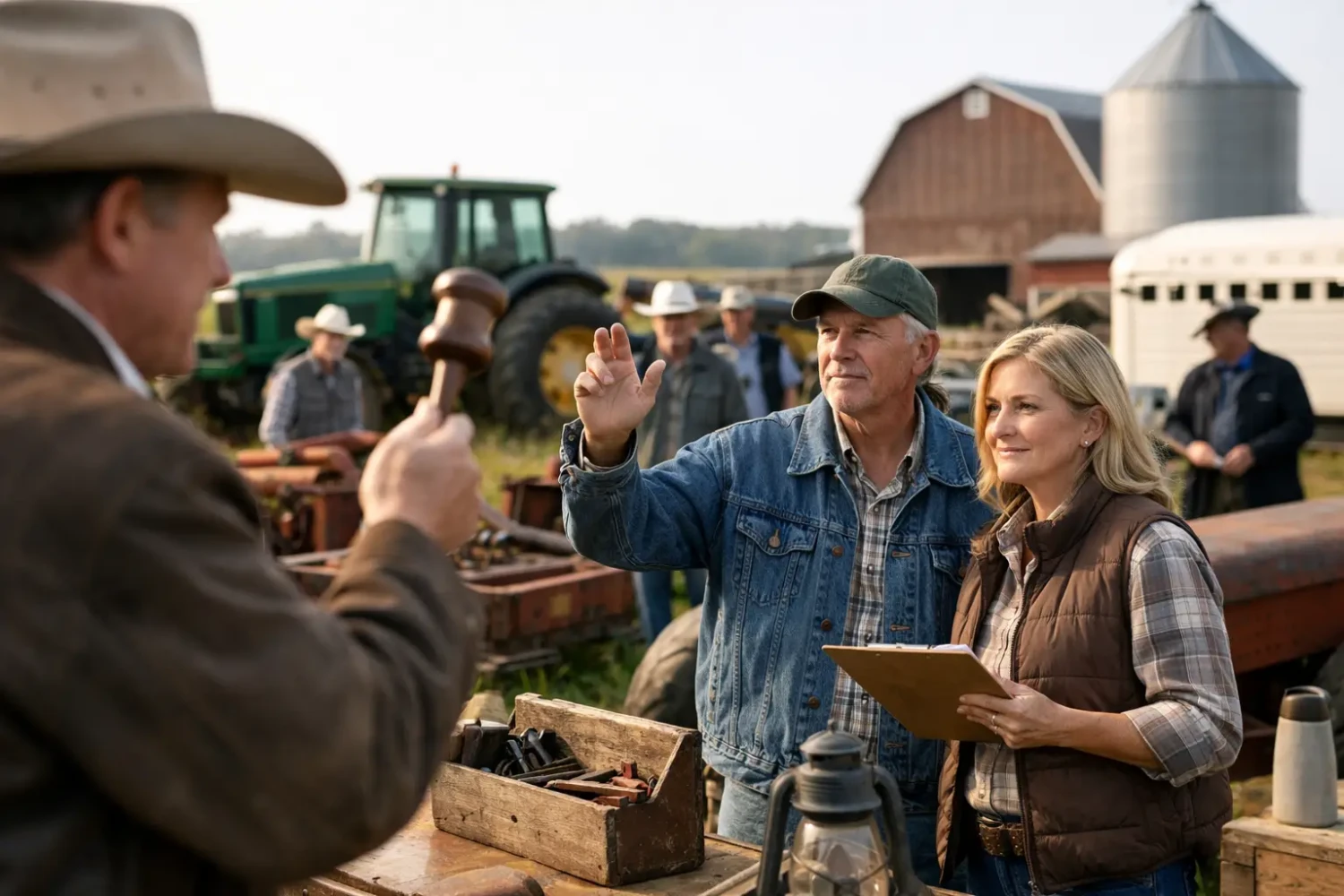
A header tank, an ageing tractor, a line of hay gear that has not turned a wheel in two seasons - farm auctions exist for exactly this kind of stock. When assets need to move, waiting months for the right private enquiry is often the expensive option. Auctions create a deadline, put buyers in competition, and turn idle equipment into working capital.
For Australian farmers, contractors and rural business owners, that matters. Cash flow is seasonal, replacement windows can be tight, and surplus gear sitting in a shed still costs money. A good auction process does not just clear space. It helps sellers reach serious buyers quickly, and it gives buyers access to machinery, livestock and farm equipment that may never appear through standard dealer channels.
Why farm auctions still work
The basic reason is simple - they match urgency with visibility. A seller has a clear sale date and a broad audience. Buyers know exactly when stock closes and can compare multiple lots in one place. That structure tends to bring stronger engagement than a static classified listing that drifts for weeks.
Farm auctions also suit the way rural assets change hands. On-farm equipment varies widely in age, hours, condition and attachment setup. Two machines with the same badge can be worth very different money. Auctions let the market decide, which is often more realistic than setting a fixed asking price and hoping it lands.
That said, auctions are not magic. If an item is poorly described, badly photographed, or listed without enough lead time, bidding can be softer than expected. The process works best when the presentation is honest and complete.
What sells well at farm auctions
Most people think first of tractors, spray rigs and headers, but the category is broader than that. Farm auctions regularly move tillage gear, balers, seeders, slashers, augers, trailers, utes, livestock handling equipment, generators, pumps, tanks, workshop stock and surplus parts. In many cases, mixed rural sales perform well because they attract different buyer groups to the same event.
Livestock can also be a strong fit, particularly where timing, quality and transport details are clearly laid out. The same goes for support assets around the farm - old service trucks, site sheds, fuel gear, or plant that a mixed farming business no longer needs. Buyers often come looking for one item and leave bidding on several.
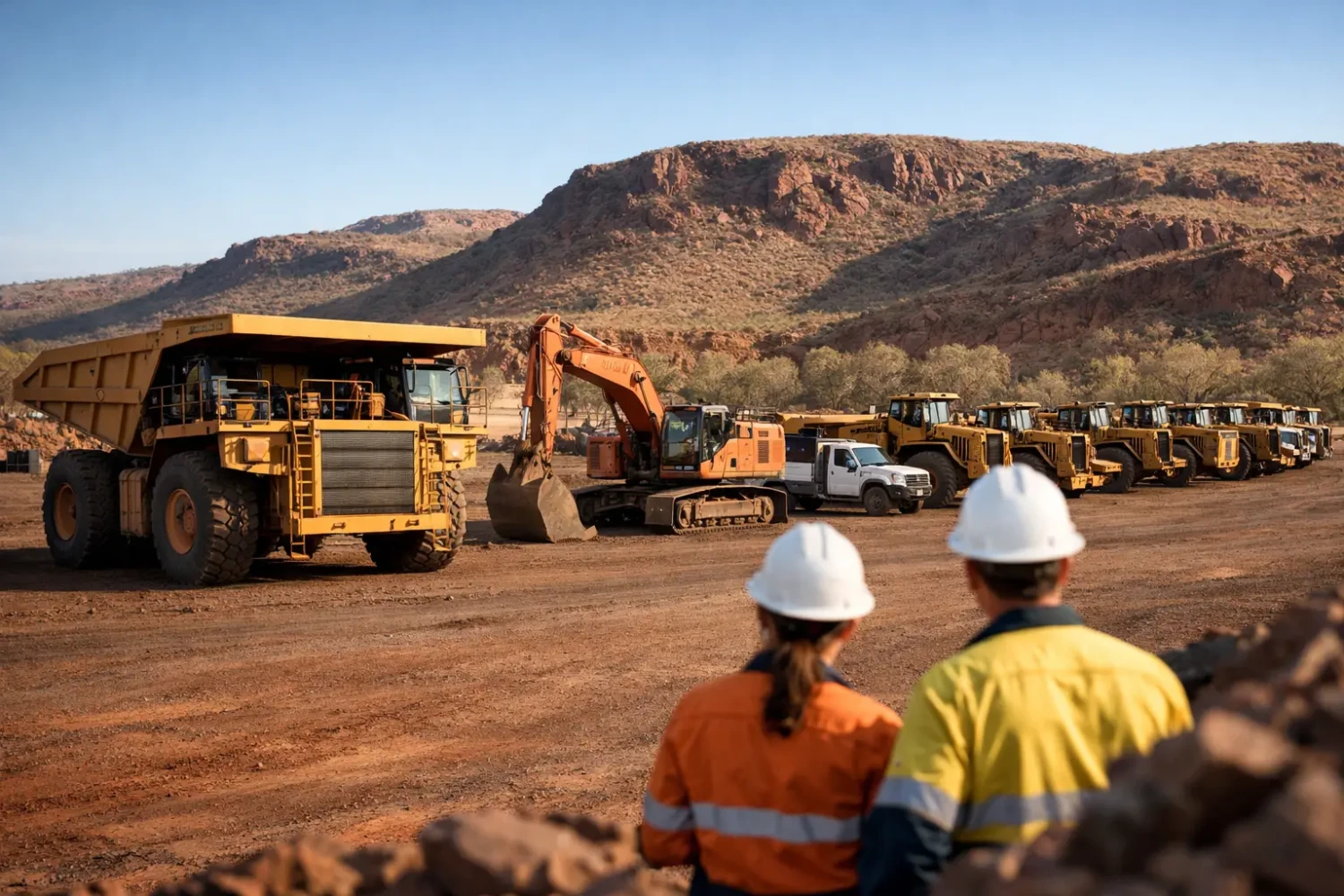
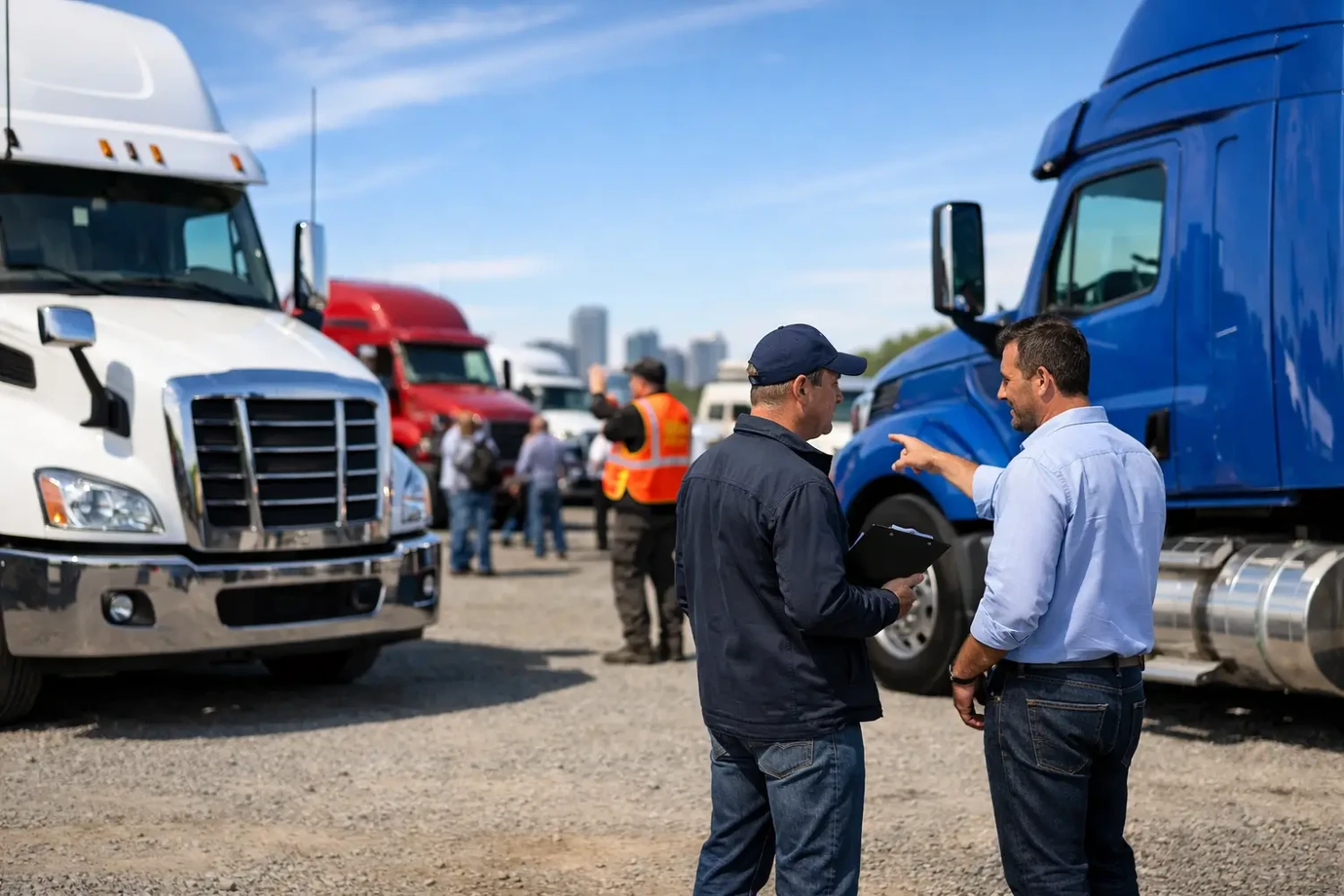
This is one of the strengths of a broad online auction environment. It brings together operators from agriculture, transport, construction and regional trade businesses, which widens the buyer pool beyond the local district.
Selling through farm auctions without leaving money on the table
Sellers usually worry about one thing first - will the gear bring enough? That is the right question, but it should be paired with another one: what will the total selling cost look like once fees are added?
This is where auction terms matter. A fee structure that is clear from the start is easier to work with than a model packed with variable charges. If a platform charges no vendor premium and keeps the buyer's premium flat and transparent, sellers are in a better position to attract bids without extra friction. That can make a real difference on farm assets, where margins are tight and every percentage point matters.
Presentation matters just as much as fees. A realistic description beats sales fluff every time. Buyers want hours, model details, service history if available, known faults, tyre or track condition, wear points, PTO or hydraulic notes, and whether attachments are included. If the machine starts, runs and operates as expected, say so plainly. If it has issues, say that too. Serious buyers do not mind honest faults. They do mind surprises.
Photos should show the asset as it stands in working life, not dressed up to hide wear. Wide shots, close-ups of the cab, engine area, serial plates, tyres, PTOs, cutting fronts, bins, hitches and obvious repairs all help. Clean the machine enough to inspect it properly, but do not try to disguise its condition.
Timing is another factor sellers often underestimate. Listing just before a major holiday, in the middle of harvest pressure, or with very little marketing runway can narrow the bidder pool. Good auction timing gives regional and interstate buyers enough notice to assess freight, finance and operational fit.
Buying at farm auctions with less guesswork
For buyers, the attraction is straightforward - range, speed and access. A buyer can compare multiple tractors, implements or support vehicles across a single sale and make decisions quickly. That is especially useful when sourcing replacement gear under pressure.
Still, a smart bid starts before auction day. Check the listing details carefully, review photos closely, and ask questions early if inspection arrangements are available. Know whether the asset is farm-ready, workshop-ready, or likely to need transport, tyres, seals, electrical work or parts. Cheap can become expensive very quickly when freight and repairs stack up.
It also pays to set your ceiling before bidding starts. That ceiling should include the buyer's premium, GST where applicable, transport, transfer costs and any immediate repairs. Plenty of buyers focus on the hammer price and forget the full landed cost. The better approach is commercial rather than emotional - what is this asset worth to your operation, delivered and ready to work?
Online auctions have made this easier in one sense and harder in another. Easier because regional buyers can access stock nationally without spending days on the road. Harder because bidding is fast and competition can come from anywhere. Discipline matters. If the number stops making sense, let it go.
Online farm auctions versus local clearing sales
There is still a place for traditional on-site clearing sales. If a whole property plant dispersal is happening, local turnout can be strong, and buyers like seeing a full line-up in person. For some vendors, that format suits the job.
But online farm auctions have changed the equation. They extend reach well beyond the nearest towns, which matters for specialised machinery, niche attachments or higher-value equipment that may have a limited local market. A broad digital audience can produce better competition than relying on whoever can physically attend on the day.
Online selling also gives buyers more time to review lots, compare stock and organise logistics. For commercial sellers, it can be a cleaner process operationally. Assets are catalogued properly, auction timing is clear, and the sale does not depend on weather or turnout at a paddock gate.
The trade-off is that digital listings need to do more of the work. If the information is thin, buyer confidence drops. The strongest online auction results usually come from accurate cataloguing, strong images and straightforward terms.
What serious bidders look for
Buyers who attend farm auctions regularly tend to focus on the same things. First, they want confidence in the description. Second, they want clarity on fees. Third, they want a process that does not waste time.
That is why transparency is not a side issue. It is central to how well an auction performs. Hidden charges, sliding premiums and vague terms create hesitation, and hesitation hurts bidding. A simpler model gives buyers and sellers a cleaner path from listing to settlement.
For sellers moving farm equipment, that simplicity can be the difference between a drawn-out disposal and a practical result. It is one reason platforms such as NextGen Auctions & Marketplace are gaining traction with commercial sellers - the process is built around clear terms, no vendor premium, and a flat 10% buyer's premium rather than fee structures that chip away at returns.
When farm auctions are the right move
They are a strong option when you need to move surplus stock, wind up an operation, clear deceased estate assets, turn over older plant, or sell gear that is too specialised for mainstream retail channels. They also make sense when speed matters more than holding out for a perfect private buyer.
They may be less suitable if an asset is extremely rare and needs a highly targeted one-to-one sale, or if the item requires extensive explanation, commissioning or after-sales support that buyers expect from a dealer arrangement. In those cases, a marketplace listing or negotiated sale may suit better.
Most of the time, though, farm auctions work because they reflect reality. Farms evolve, machinery changes, livestock programs shift, and surplus assets need to move. Buyers are looking for value, sellers are looking for return, and a well-run auction gives both sides a fair shot.
If you are buying, be clear on condition, costs and your limit. If you are selling, be clear on presentation, timing and fees. The simpler the process, the better the market can do its job - and that is usually where the best result starts.